
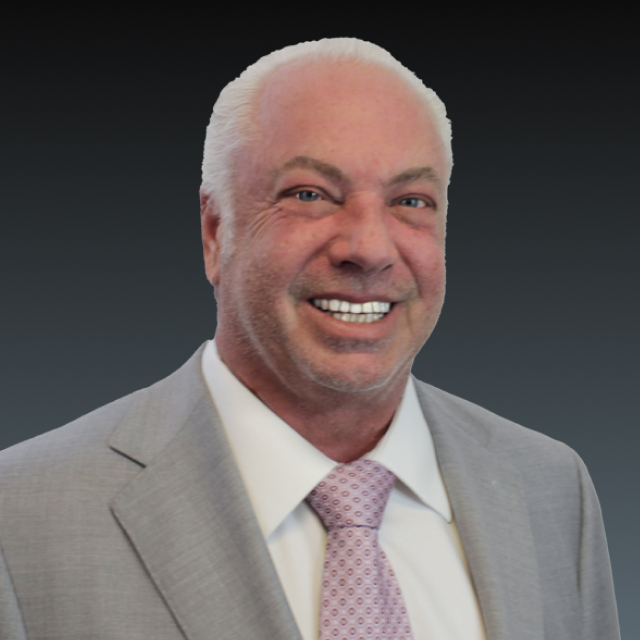
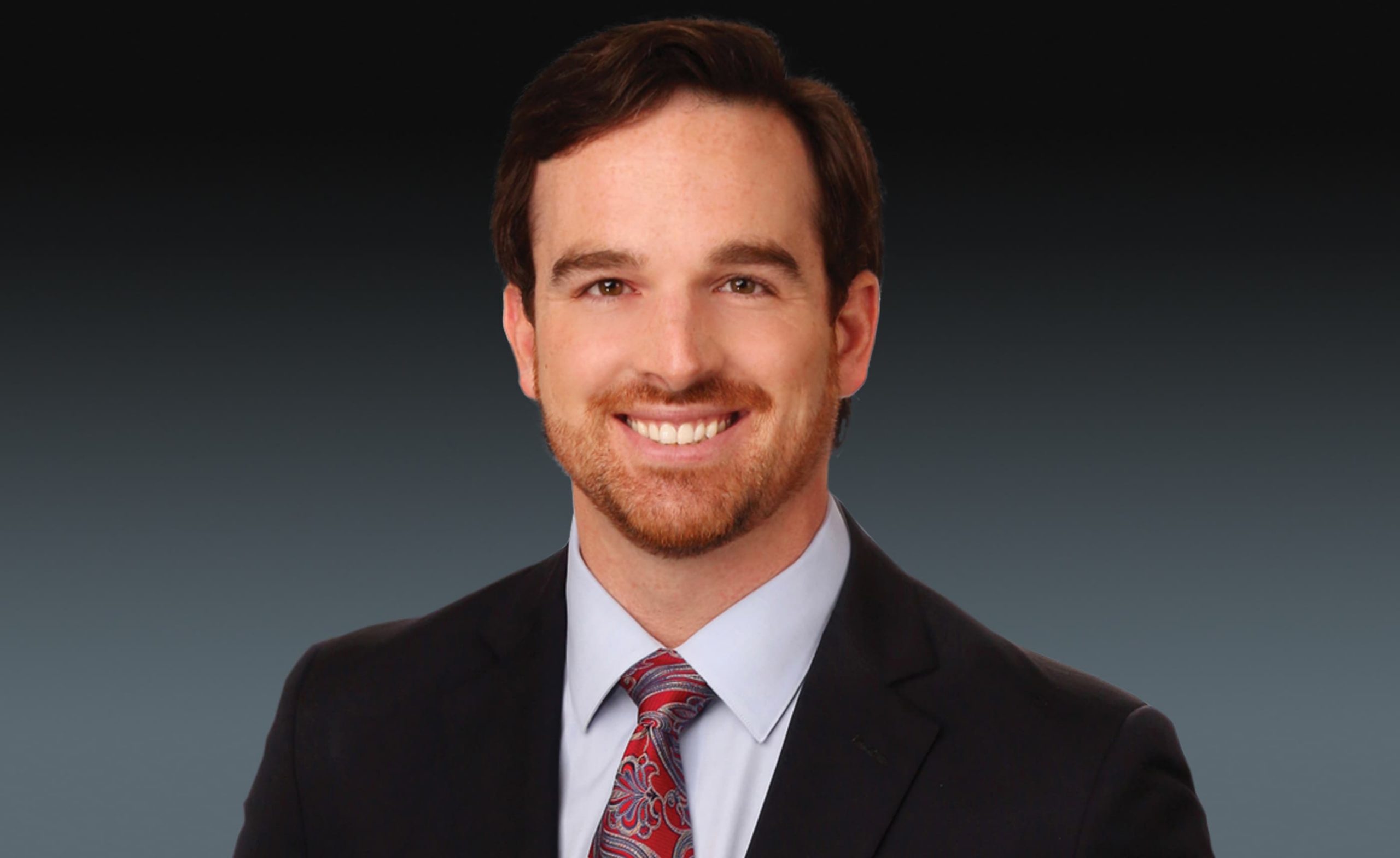
In Episode 3 of The Domino Lawyer, Edward P. Capozzi, Esq., sits down with veteran trial attorney Eugene S. Wishnic, Esq., for an in depth conversation on what separates great trial lawyers from the rest. From courtroom strategy and jury persuasion to cross examination and case preparation, they break down the skills, mindset, and experience that give personal injury lawyers an edge at trial. Drawing on decades of courtroom experience, Eugene shares practical insights, memorable stories, and lessons learned representing injured clients. Whether you’re a lawyer, law student, or simply interested in high stakes litigation, this episode offers a rare look inside the world of trial advocacy. Eugene is certified by the Supreme Court of New Jersey as a Civil Trial Attorney and has devoted his practice to representing injured victims.
Key Takeaways:
- Preparation Is the Foundation of Trial Success
- Learn from Every Loss
- Invest in the Right Experts
- Collaborate with Other Trial Lawyers
- Master Cross-Examination Techniques
- Make Complex Medical Evidence Easy to Understand
# Chapter 1: Introduction to The Domino Lawyer Podcast
0:18
Edward Caposi introduces himself as the Domino Lawyer and discusses his book, The Domino Theory, explaining how it helps trial lawyers prove causation in soft tissue injury cases. He welcomes fellow New Jersey personal injury attorney Eugene Wishnik to the podcast.
# Chapter 2: Collaboration Among Plaintiff’s Trial Lawyers
0:54
Edward and Eugene discuss the unusual dynamic among plaintiff’s personal injury attorneys, who compete against one another but frequently share resources, deposition transcripts, expert testimony, and legal strategies. They explain how collaboration helps attorneys improve their skills and strengthen their cases against insurance companies.
2:02
Edward describes the value of their professional email group, which includes approximately 20–25 attorneys who exchange useful deposition transcripts and trial materials. Eugene agrees that sharing successful strategies helps everyone become better trial lawyers.
2:53
Both attorneys reflect on how they celebrate one another’s victories and learn from shared experiences. They explain how successful verdicts can encourage insurance companies to make more reasonable settlement offers in future cases.
# Chapter 3: Learning from Trial Losses and Overcoming Pressure
3:17
Edward recounts how a trial loss while writing his book led him to reflect on the emotional challenges of litigation. He compares trial lawyers to baseball pitchers, explaining that even excellent performers sometimes lose despite their best efforts.
4:26
Edward uses baseball pitcher CC Sabathia as an analogy for trial practice. Just as a pitcher can perform well and still lose, an attorney can present an excellent case without securing a favorable verdict. He explains how this perspective helped him accept losses and focus on continuous improvement.
5:36
Eugene emphasizes that every genuine trial lawyer experiences losses and that attorneys should focus on thorough preparation and doing their best for their clients. Both discuss how losses often provide more valuable lessons than victories.
6:18
Edward and Eugene describe the stress of preparing for trial, including disrupted sleep, constant thoughts about their cases, and the emotional exhaustion that follows a verdict. They explain how they use notes and preparation to manage the demands of trial work.
# Chapter 4: Personal Background and the Path to Law
7:44
Eugene discusses growing up in Bergen County, New Jersey, attending Rutgers College and Rutgers Law School in Camden, and building his career in New Jersey. He and Edward discover that they share similar family experiences, having become fathers at a young age.
8:17
Eugene shares the story of his daughter Jamie, whom he had while still in high school. He explains how they experienced years of separation before reconnecting and developing a relationship. He now has a close relationship with his daughter and is a grandfather.
9:26
Edward and Eugene compare their family lives, discussing their older children and the younger children they have with their wives. They reflect on the similarities in their personal journeys.
9:43
Eugene explains that he wanted to become a lawyer from an early age because he enjoyed speaking up for others, explaining his reasoning, and arguing. He describes how his interest in logic and problem-solving later influenced his approach to trial advocacy.
11:55
Eugene discusses his academic journey and explains how standardized testing came more naturally to him than traditional studying. He reflects on how logical reasoning helped prepare him for law school and the analytical demands of trial work.
# Chapter 5: Building a Personal Injury Practice
12:01
Eugene explains that he was the first person in his immediate family to earn a college degree and an advanced degree. His parents, European immigrants and Holocaust survivors, placed tremendous importance on education despite having limited formal schooling themselves.
13:03
Eugene describes beginning his legal career with a solo practitioner in New Brunswick, where he primarily handled personal injury cases. Although he wanted to become a trial lawyer, the firm settled every case, leaving him without courtroom trial experience.
13:36
After opening his own practice, Eugene explains that he spent several years afraid to try cases because he was risking his own money and had little trial experience. He eventually began taking cases to trial and developed his courtroom skills through experience.
# Chapter 6: Mentorship and Professional Associations
14:00
Eugene discusses how joining the New Jersey Association for Justice (NJAJ) transformed his career. The organization provides educational seminars, webinars, legal resources, and opportunities for plaintiff’s attorneys to share information.
14:44
Eugene recalls how mentor John Gorman encouraged him to join the association and promised to share deposition transcripts and other materials. Eugene explains how following this advice gave him access to invaluable professional resources.
15:10
Edward recounts his own introduction to NJAJ after arguing a case involving the admissibility of radiology evidence before the New Jersey Supreme Court. He explains how the experience connected him with influential plaintiff’s attorneys and encouraged him to join the organization.
16:01
Edward describes how his case was remanded for a new trial following a ruling concerning hearsay and radiology evidence. He ultimately retried the case successfully and discusses other cases he has won after appellate reversals.
17:11
Edward and Eugene emphasize that NJAJ provides access to a broad network of attorneys who share legal strategies, deposition transcripts, and practical advice. They compare the organization to having thousands of colleagues available to help with difficult cases.
# Chapter 7: How Edward and Eugene Became Friends
17:36
Eugene recounts how a retired judge recommended that he contact Edward for advice before an upcoming trial. The judge had seen Edward secure a substantial verdict in a case involving a bulging disc despite a relatively low settlement offer.
18:27
Eugene describes calling Edward and receiving a memorable voicemail in which Edward expressed his dislike of Allstate. Eugene eventually visited Edward’s apartment, where Edward shared deposition transcripts that helped him prepare for trial.
19:05
The attorneys reflect on their first extended conversation, during which they discussed legal strategies and their shared passion for trial work. They explain how their friendship developed through mutual respect, collaboration, and a willingness to share knowledge.
19:44
Eugene recalls a case in which Edward asked him to help try a case against Mercury Insurance shortly after Edward had secured a successful verdict against the same insurer. Eugene agreed to step in despite having little time to review the file.
20:31
Eugene explains how he tried the case and secured a verdict substantially exceeding the policy limits. He describes the pressure of handling another attorney’s case and the determination required to succeed when the stakes are high.
# Chapter 8: Investing in Experts and Preparing Every Case Thoroughly
21:02
Edward explains his early philosophy of presenting multiple treating physicians as witnesses, comparing them to army tanks in a battle against the defense. He argues that presenting testimony from several qualified medical professionals can strengthen a plaintiff’s case.
21:29
Edward recalls asking Eugene to help fund an additional neurologist for the Mercury Insurance trial, even though Eugene was taking his family to Disney World and had limited funds available. Eugene agreed, and the attorneys ultimately won the case.
22:46
Eugene praises Edward’s loyalty and explains how the experience influenced his own approach to litigation. He now ensures that his firm has sufficient resources to hire the experts needed to prove a case effectively.
23:27
Edward explains why he encourages younger attorneys in his firm to bring in all necessary medical experts when preparing for trial. Both attorneys agree that every case deserves thorough preparation and that financial concerns should not prevent them from building the strongest possible case.
24:08
Eugene describes how he evaluates cases he is asked to try for other attorneys. He emphasizes the importance of meeting the client, assessing credibility, and determining whether the client’s personality and presentation will resonate with a jury.
# Chapter 9: Settlement Decisions and Fighting for the Client
24:48
Edward recounts a recent conversation in which Eugene described a difficult trial involving a client with challenging facts and a $50,000 settlement offer. Eugene explains that he called Edward partly for encouragement because he wanted to continue fighting for his client.
25:34
Eugene discusses the tension between wanting to finish a trial and protecting a client’s interests. He explains that although he wants to see the case through to a verdict, he never wants personal pride or professional ego to influence a client’s settlement decision.
26:17
Eugene describes how the defense unexpectedly withdrew its $50,000 offer on the final day of trial. He was frustrated by the decision but proceeded with closing arguments rather than backing away from the case.
28:11
The jury returned a unanimous verdict finding that the plaintiff had sustained a permanent injury and awarded $200,000. Eugene explains how the result provided a meaningful recovery for his client and demonstrated the potential consequences of withdrawing a settlement offer.
28:48
Eugene and Edward discuss the additional legal consequences that may follow an excess verdict, including bad-faith claims and penalties associated with an offer to take judgment. They explain how these mechanisms can increase the insurer’s financial exposure when it fails to settle a case appropriately.
# Chapter 10: Offers to Take Judgment and Insurance Company Accountability
29:00
Edward explains how an offer to take judgment works in New Jersey personal injury litigation. He describes how these offers create an opportunity for defendants to settle within a specified period and can trigger additional financial consequences when a plaintiff obtains a sufficiently large verdict.
30:08
Edward and Eugene discuss the strategic importance of setting an offer at a level that reflects the case’s potential value without making it too attractive for the defense to accept prematurely. They explain that attorneys must carefully balance settlement strategy and the possibility of a larger verdict.
30:37
Eugene describes how insurance companies sometimes treat a previous settlement demand as the permanent value of a case, even after rejecting the offer. He explains why attorneys must make clear that an expired offer does not necessarily represent their current settlement position.
31:26
Edward expresses frustration with insurance companies that continue to challenge experienced trial lawyers despite repeated losses. Eugene discusses how insurers appear to follow different settlement strategies depending on the carrier and the case.
32:15
Edward criticizes rising auto insurance premiums and the extensive advertising budgets of major insurance companies. He argues that insurers should not claim financial hardship while spending heavily on marketing and resisting legitimate injury claims.
33:30
Edward explains the importance of first-party bad-faith claims involving underinsured motorist coverage. He discusses his efforts as NJAJ president to expand accountability for insurers that fail to protect their own policyholders adequately.
35:12
Edward describes how a later NJAJ president helped secure legislation allowing first-party bad-faith claims. Eugene and Edward discuss the uncertainty surrounding how these claims will develop and the potential importance of obtaining discovery from insurance adjusters and supervisors.
# Chapter 11: Learning Spanish Through Immersion
36:18
Edward asks Eugene how he learned to speak Spanish. Eugene explains that growing up in a multilingual household helped him develop an aptitude for languages, but his professional environment was the primary reason he became fluent.
36:41
Eugene describes working with Spanish-speaking clients in New Brunswick and gradually improving his Spanish through daily interactions. He explains how he learned by listening to conversations, writing down unfamiliar words, and practicing with clients during appointments.
37:37
Eugene explains that immersion allowed him to progress to the point where he could prepare clients for trial in Spanish without relying on an interpreter. He emphasizes that consistent practice and real-world communication are essential to learning a language.
38:10
Edward discusses his wife’s Romanian background and how their children learned both English and Romanian. The attorneys reflect on the advantages of growing up with multiple languages and the importance of continued practice when communicating across cultures.
# Chapter 12: The Importance of Preparation and Thorough Cross-Examination
39:42
Edward asks Eugene about the key to his success as a trial lawyer. Eugene identifies preparation as his most important principle, explaining that he carefully reviews every page and every word of every document to identify evidence that might otherwise be overlooked.
40:42
Eugene shares an example of cross-examining a defense medical expert about a patient’s urgent-care records. By locating a reference to muscle spasm that the expert had overlooked, Eugene challenged the expert’s claim that the absence of spasm indicated no acute injury.
41:53
Edward and Eugene discuss how detailed preparation can turn a defense expert’s own testimony and records against them. They explain that identifying inconsistencies in medical documentation can strengthen causation arguments and undermine opposing testimony.
42:05
Edward reflects on his early courtroom experiences, explaining that he often succeeded by challenging evasive defense experts rather than relying on extensive medical knowledge. He describes how repeatedly asking focused questions can expose a witness’s reluctance to provide direct answers.
42:40
Both attorneys discuss the importance of controlling cross-examinations through clear, focused questions. They explain how asking a witness to answer yes-or-no questions can prevent lengthy explanations from obscuring the central issue.
# Chapter 13: Using Deposition Transcripts to Challenge Defense Experts
43:03
Edward explains how he uses his network of attorneys to obtain deposition transcripts before questioning unfamiliar experts. He describes asking colleagues for transcripts involving a billing expert and receiving a particularly effective deposition from Eugene.
43:41
Eugene explains that he had to prepare for the billing expert without access to previous testimony. He researched the expert’s qualifications, professional affiliations, and certifications to identify weaknesses in her credibility.
44:14
Eugene describes investigating the expert’s relationship with Prism, a billing-review division associated with ExamWorks, a company that arranges medical examinations for defendants. He explains how understanding the organization’s defense-oriented role helped him frame his questions.
44:46
Edward and Eugene discuss how defense experts may challenge the reasonableness of medical bills in addition to disputing the plaintiff’s injuries. Eugene explains how he reviewed the expert’s résumé and discovered that she lacked practical experience working in a medical office or performing medical billing.
45:27
Eugene describes examining the requirements for the expert’s certifications, including open-book testing and the number of incorrect answers permitted. He used these details to show that the expert could have passed the certification without demonstrating substantial knowledge of the specific billing issues involved in the case.
46:23
Edward explains how Eugene’s deposition helped him challenge the same expert and contributed to a settlement. Both attorneys emphasize that sharing effective deposition transcripts can save time, reveal vulnerabilities, and improve litigation outcomes.
# Chapter 14: Advice for Young Trial Lawyers
46:48
Eugene advises young attorneys to be thorough, review every document carefully, and ensure that medical experts receive all relevant evidence. He emphasizes that preparation is essential to identifying important facts and avoiding costly oversights.
47:14
Eugene explains that successful plaintiff’s attorneys must genuinely care about representing injured clients and be willing to work hard on their behalf. He encourages young lawyers to join NJAJ, seek mentors, and learn from experienced trial attorneys.
47:52
Edward reflects on how he developed his own approach to trial work without much formal mentorship. He explains that his willingness to experiment with different techniques sometimes led to setbacks, but those experiences helped him develop a distinctive courtroom style.
48:23
Edward and Eugene discuss influential trial advocacy books, including Rules of the Road, David Ball on Damages, and The Reptile. Eugene explains that attorneys should learn from different methods while adapting them to their own personalities and strengths.
49:05
Eugene praises Edward’s The Domino Theory and explains how he uses the domino concept in his trials. He also discusses techniques from Keith Mitnik and Nick Rowley, emphasizing the value of selecting strategies that fit the individual attorney.
# Chapter 15: Making Trial Presentations Engaging and Effective
49:40
Eugene describes how Nick Rowley’s methods encourage attorneys to understand clients’ lives and communicate their experiences effectively. He discusses the importance of presenting a case in a way that helps jurors understand the real-world consequences of an injury.
50:06
Eugene criticizes attorneys who read directly from notes rather than engaging with the jury. He explains how techniques such as using brief outlines, visual prompts, and memorable phrases can help attorneys deliver more natural and persuasive presentations.
50:50
Edward and Eugene discuss the importance of simplifying trial presentations and avoiding unnecessary complexity. They reference Mark Lanier’s trial advocacy techniques and explain how effective preparation allows lawyers to speak naturally without constantly consulting written notes.
51:41
Eugene explains how he uses dominoes during closing arguments to demonstrate the relationship between negligence, a collision, medical treatment, and the resulting injuries. He describes saving the visual demonstration for the end of closing to reinforce the central causation argument.
52:26
Edward explains his own variation of the Domino Theory. Rather than presenting degeneration as the first domino and removing it from the sequence, he acknowledges that degeneration may exist but places the defendant’s negligence and the collision before the subsequent events.
53:40
Both attorneys discuss how the visual demonstration helps jurors distinguish between preexisting degeneration and injuries caused by an accident. They emphasize that the goal is to communicate causation clearly without confusing jurors with complicated medical or legal terminology.
54:14
Edward explains why he avoids excessive legal jargon and instead uses simple analogies, such as comparing a pinched nerve to a kinked garden hose. Eugene agrees that familiar comparisons can make complex medical concepts easier for jurors to understand.
# Chapter 16: Simplifying Trials and Proving Damages
55:56
Eugene discusses the importance of keeping trial presentations concise, referencing attorney Joe Fried’s approach to shorter trials and more focused witness examinations. He explains that jurors’ limited attention spans make it important to remove unnecessary details while preserving the evidence essential to the case.
56:35
Edward describes how his use of the Domino Theory evolved from approximately 10 dominoes in the first edition of his book to around 40 dominoes in his later approach. He explains that the expanded model incorporates damages as well as medical treatment and causation.
57:13
Edward explains how the additional dominoes represent lost income, past and future medical expenses, limitations on daily activities, loss of enjoyment of life, and future medical treatment. He describes using the client’s life expectancy to demonstrate how injuries may affect the plaintiff for decades.
58:08
Edward and Eugene discuss the challenges of proving soft tissue injuries, which can be difficult because plaintiffs may appear physically normal and defense experts often attribute symptoms to degeneration. They agree that success in these cases requires strong evidence, clear explanations, and careful trial preparation.
58:14
Edward references attorney Jesse Wilson’s approach to concise direct examinations and recalls a case discussed on the podcast involving a substantial verdict obtained through a relatively short trial. The attorneys reflect on how efficient presentations can be effective when the evidence is presented clearly.
# Chapter 17: The Emotional Impact of Winning a Verdict
59:40
Edward asks Eugene what it feels like to win a jury verdict. Eugene describes the experience as a combination of relief, excitement, and the satisfaction of achieving an important result for a client after extensive preparation.
1:00:09
Edward explains the tension he experiences while waiting for a jury to announce its decision. He describes remaining intensely focused on the jurors’ expressions and struggling to relax until the verdict is finally read.
1:00:32
Both attorneys discuss the difficulty of waiting for jury deliberations, sometimes for several days. They explain that the uncertainty can be emotionally exhausting because attorneys must remain available and prepared to return to court as soon as the jury reaches a decision.
# Chapter 18: Closing Remarks
1:00:57
Edward thanks Eugene for joining the podcast and reflects on their longstanding friendship and professional relationship. Eugene expresses appreciation for the opportunity to participate and acknowledges Edward’s contributions to the trial lawyer community.
1:01:09
Edward concludes the episode of The Domino Lawyer Podcast, reiterating the importance of preparation, mentorship, collaboration, effective cross-examination, and clear communication in personal injury litigation.
Related Blog Posts:



Frequently Asked Questions
We are the trial attorneys with the experience and knowledge to get you the results you deserve. At Brach Eichler Injury Lawyers, we take time to get to know you, as well as your case. We are committed to excellence. It is important for our team to understand your fears, concerns and expectations. We are always available to answer any questions, and are willing to come to you if you are unable to come to us.
Contact Your New Jersey Personal Injury Attorneys