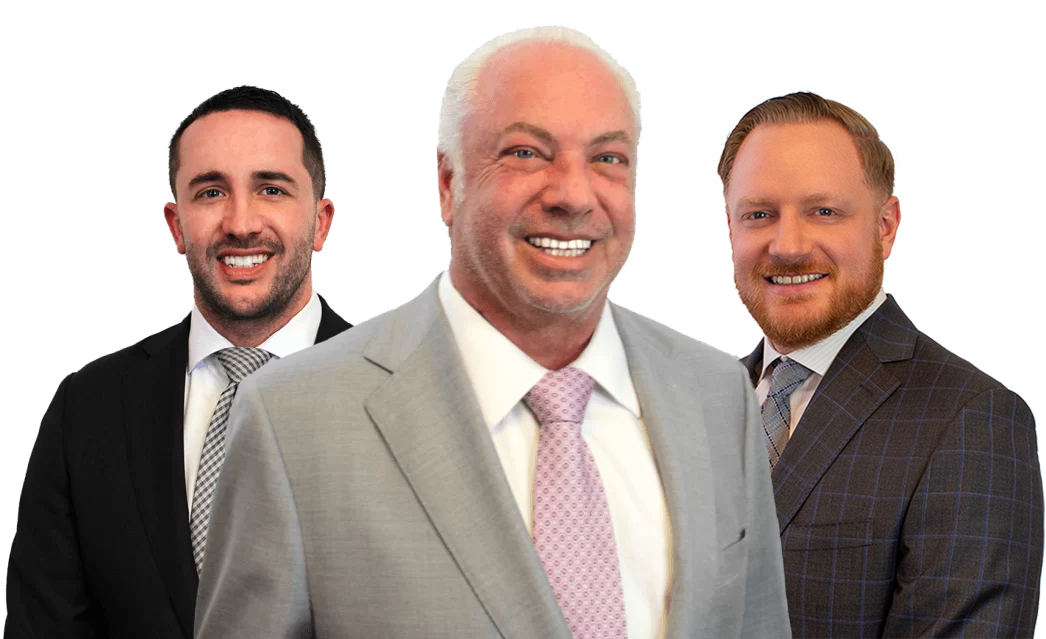
In Episode 4 of The Domino Lawyer, host Edward P. Capozzi, Esq. sits down with renowned trial consultant, author, and educator David Ball, Ph.D. for an in depth conversation about trial strategy, jury persuasion, damages, and the evolution of modern trial advocacy. David Ball has spent decades studying how jurors make decisions and teaching trial lawyers how to communicate more effectively in the courtroom. His influential work includes David Ball on Damages, Reptile Theory, Theater Tips and Strategies for Jury Trials, and Damages Evolving, resources that have helped shape the way trial lawyers approach case preparation, damages, persuasion, and jury communication. In this episode, Ed and David explore the thinking behind these strategies. They discuss the development of the Reptile approach, what lawyers misunderstand about jury persuasion, and why understanding how jurors receive and process information can be just as important as the evidence itself. David also shares insight from David Ball on Damages, including how attorneys can more effectively communicate the full impact of an injury and present damages in a way that jurors can understand and evaluate. Throughout the conversation, David shares lessons from decades of working with trial lawyers and explains why effective advocacy requires attorneys to continually question assumptions, refine their methods, and view their cases from the perspective of the people who ultimately have to decide them. Whether you’re an experienced trial lawyer, a young attorney developing your courtroom skills, or interested in the strategy behind successful jury trials, this episode offers an in depth look at trial advocacy from one of the field’s most influential voices.
Key Takeaways:
- The Psychology of Jury Decision-Making
- The Reptile Theory in Trial Advocacy
- The Power of the Domino Theory
- Damages Strategies That Drive Results
- The Importance of Focus Groups and Objectivity
- Make Jurors Want to Reach Your Conclusion
Chapter 1: Introduction to The Domino Lawyer Podcast and David Ball
0:18
Edward Caposi introduces the latest episode of The Domino Lawyer Podcast and welcomes David Ball, one of the nation’s most influential trial consultants and a bestselling author. Edward highlights Ball’s contributions to trial advocacy, including The Reptile, the David Ball on Damages series, Damages Evolving, and Theater Tips and Strategies for Jury Trials. He also thanks Ball for writing the foreword to his book, The Domino Theory.
2:08
Edward asks David about his educational background and the experiences that led him to become a prominent trial consultant. Ball explains that he initially pursued engineering before considering physics and medicine. His interest in science remained important throughout his career, even as his professional interests shifted toward theater and, eventually, trial consulting.
Chapter 2: David Ball’s Theater Career and the Foundations of Trial Advocacy
4:04
David describes discovering theater during college and explains why he was drawn to its collaborative nature. He discusses how theater requires people to work together while maintaining their individuality, a skill he later recognized as essential to trial advocacy. He also describes receiving a fellowship that allowed him to study and work at the renowned Guthrie Theater in Minneapolis.
6:43
Ball reflects on his years as a theater director and teacher, including the satisfaction of helping talented performers develop their skills. Despite his success, he eventually grew tired of directing multiple productions each year and decided to step away from professional theater to pursue writing.
7:56
David recounts moving to a cabin in the woods to write a novel, The Swamp Outlaw, about young people escaping conscription during the Civil War. Although he enjoyed writing, he realized he missed the human interaction and collaboration that had made theater so rewarding. This realization led him to explore a new professional direction.
Chapter 3: Transitioning from Theater to Trial Consulting
8:48
David explains how he began visiting the courthouse in Durham, North Carolina, looking for an intellectually stimulating environment where he could interact with people. He quickly noticed that jurors often appeared disengaged during trials, despite the serious conflicts and consequences involved.
10:02
Ball describes recognizing that many attorneys struggled to capture jurors’ attention and communicate complicated cases clearly. Drawing on his theater experience, he believed lawyers could benefit from techniques used to keep theatrical audiences engaged and help them understand complex stories.
11:07
David explains how his understanding of theater’s methods for maintaining attention and clarifying complicated narratives led him to write an article about improving courtroom communication. After a lawyer contacted him about helping with a case, Ball began studying trial advocacy more seriously and discovered the emerging field of trial consulting.
12:34
Ball discusses combining his theater background with his longstanding interest in science. He began studying neuroscience, decision-making, motivation, and unconscious biases to understand how jurors reach their conclusions. He explains that people often form decisions subconsciously before consciously evaluating the reasons behind them.
Chapter 4: Choosing Plaintiff Advocacy and Criminal Defense
13:41
David describes how trial consulting brought together his interests in science, theater, learning, and human behavior. He explains that helping attorneys capture jurors’ attention and make complicated cases understandable became one of the most rewarding aspects of his work.
14:31
Edward asks why David chose to focus on civil plaintiff cases and criminal defense rather than civil defense or criminal prosecution. Ball explains that he believed defendants in civil cases and the government in criminal cases generally had greater access to resources, research, and institutional support.
15:04
David discusses the imbalance between plaintiffs and powerful corporations, as well as between criminal defendants and the government. He explains that these disparities influenced his decision to help parties who often had fewer resources and needed stronger advocacy to present their cases effectively.
16:10
Ball recounts beginning his consulting career by assisting criminal defense attorneys in North Carolina and surrounding states. He eventually worked on approximately 60 to 70 death penalty cases before shifting the majority of his practice toward civil litigation.
Chapter 5: Writing David Ball on Damages and Transforming Trial Strategy
17:04
Edward asks David about his first books for trial lawyers and which publication helped establish his reputation. Ball explains that he initially wrote Theater Tips and Strategies for Jury Trials, drawing on his theatrical background to improve courtroom presentations.
17:28
David describes discovering a significant gap in trial advocacy literature: relatively few resources addressed damages strategy. Existing books tended to focus on legal rules rather than practical methods for presenting damages persuasively to juries.
18:05
Edward shares how he initially concentrated on winning cases while devoting too little attention to damages. He explains that Ball’s work changed his approach by helping him recognize the importance of developing a persuasive damages presentation rather than focusing exclusively on liability.
18:38
Ball discusses the discomfort many attorneys experience when asking juries for substantial compensation. He explains that his early work on damages addressed this challenge and helped lawyers understand how to present financial demands as a legitimate part of representing injured clients.
19:29
David recounts submitting his damages manuscript to the National Institute for Trial Advocacy (NITA), which published the book. He explains how writing articles for legal publications and publishing his book helped establish his reputation, attract consulting opportunities, and expand the discussion of trial strategy.
20:42
Ball reflects on the benefits of writing practical legal strategy books, explaining that their greatest value is often professional influence rather than financial reward. He also emphasizes that trial consulting remains an ongoing learning process, requiring continuous study of law, science, and jury behavior.
Chapter 6: Objectivity, Focus Groups, and Evaluating Cases
21:47
Edward describes working with David on a complicated case and explains how Ball quickly identified a central weakness that the legal team had overlooked after years of handling the matter. Ball attributes this ability to the value of examining cases from an outside perspective.
23:27
David explains how his theater experience taught him to invite outsiders to observe rehearsals shortly before a production opened. Their reactions often revealed problems that the director had overlooked after spending weeks immersed in the same material. He compares this process to focus groups and trial consulting.
24:16
Ball discusses how attorneys can become too emotionally invested in their cases to evaluate them objectively. He explains that years of interviewing jurors, observing deliberations, and conducting research help consultants identify issues that attorneys may struggle to recognize.
25:05
Edward describes using focus groups to evaluate difficult cases and help clients develop realistic expectations about liability, damages, and the likelihood of winning. He explains that presenting both sides of a dispute allows participants to deliberate more objectively and reveals how jurors might actually interpret the evidence.
26:01
Edward reflects on his early years as a trial lawyer, when losing a case could leave him devastated. He describes gradually learning to evaluate cases more objectively and accept that even well-prepared attorneys will sometimes lose.
27:04
Edward compares trial lawyers to professional athletes, explaining that success requires accepting failure as part of the process. David expands on the importance of sports in teaching resilience, teamwork, and the understanding that losing does not define a person’s worth or ability.
29:26
Edward explains how experience helped him overcome tunnel vision and recognize weaknesses in his cases. David adds that experienced trial consultants can help attorneys make difficult decisions during trial by observing jurors’ reactions and identifying when an argument or examination has gone far enough.
Chapter 7: The Reptile Theory and Its Role in Trial Advocacy
31:21
Edward introduces a discussion of The Reptile, one of the most influential books in plaintiff trial advocacy. He describes initially adopting the approach enthusiastically but losing three consecutive trials after attempting to use it. He eventually realized that he had not yet mastered the technique and that it did not feel natural in his presentations.
32:49
Edward recounts discussing those experiences with David at a seminar, where Ball explained that the Reptile approach has a learning curve. Ball describes how this lesson influenced his own writing, particularly his effort to create practical guidance that criminal defense attorneys could implement without extensive training.
34:12
Edward explains that defense attorneys frequently file motions seeking to prevent him from using the Reptile approach. He describes how he sometimes tells judges that he intends to use his own Domino Theory instead, even though certain principles associated with the Reptile approach may naturally appear in his advocacy.
35:06
David explains that the fundamental objective of the Reptile approach is to give jurors a personal reason to care about a case. Rather than viewing an injury as an isolated event affecting only the plaintiff, jurors are encouraged to recognize how similar conduct could threaten their own safety or the safety of their families.
36:00
Ball discusses how attorneys can connect a specific act of negligence to broader safety principles. He explains that unsafe product design, inadequate testing, and failures to implement basic safeguards can illustrate conduct that could place many people at risk, not just the person injured in the case.
37:02
David emphasizes the importance of making jurors feel personally connected to the issues being presented. He compares effective trial advocacy to theater, where the audience must feel involved in the story rather than viewing the events as something distant and irrelevant.
38:11
Ball explains that effective use of the Reptile approach involves more than generating fear or anger. Attorneys must create a meaningful connection between the evidence, the law, and the jurors’ interests while helping them understand why the case matters.
Chapter 8: Causation, the Domino Theory, and Making Legal Concepts Clear
38:57
David discusses how trial advocacy can encourage jurors to follow the law and understand the standards governing their decisions. He explains that effective techniques can help jurors recognize the importance of applying the correct legal standards in both civil and criminal cases.
39:46
Edward and David discuss proximate cause and the preponderance of the evidence standard. Edward explains that the Domino Theory helps make causation easier to understand, while Ball emphasizes the importance of teaching jurors how to apply legal standards rather than assuming they already understand them.
40:41
David explains that compensation and deterrence are related concepts in civil litigation, but attorneys must distinguish compensatory damages from punitive damages. He describes how compensation is intended to make an injured person whole under the law, while punitive damages may be available to deter particularly wrongful conduct when compensation alone is insufficient.
41:03
Ball discusses the challenges of explaining deterrence to jurors because some jurisdictions restrict arguments suggesting that compensatory damages should be increased to punish defendants. He explains that trial consultants must understand the applicable state law and develop arguments that communicate the purpose of fair compensation without violating judicial restrictions.
42:23
David clarifies that punitive damages serve a different legal function from compensatory damages. He explains that attorneys can often show how properly calculated compensation reflects the extent of the harm while also encouraging safer conduct, although the precise argument depends on the law governing the case.
44:01
Ball describes how a plaintiff’s explanation for pursuing a lawsuit can strengthen the presentation of damages. When a client explains that they want to prevent similar harm from happening to others, the testimony may help establish the client’s motivation, particularly when the defense has challenged the plaintiff’s credibility.
45:11
David explains that emotional suffering, fear, and the lasting effects of an injury are legitimate components of damages. He discusses how jurors can understand compensation as a way to acknowledge the full impact of an injury while reinforcing the importance of preventing similar harm.
Chapter 9: Neuroscience, Persuasion, and Influencing Jury Decisions
46:23
Edward asks David why the Reptile approach became so influential among plaintiff attorneys. Ball explains that its foundation lies in established legal principles combined with research into neuroscience, behavioral science, and marketing. The challenge is not simply showing jurors that an argument is logical, but helping them want to accept that logic.
47:24
David discusses lessons from marketing, including research into how companies such as Pepsi and Coca-Cola influence consumer preferences despite offering similar products. He explains that understanding what motivates people can help trial lawyers communicate more persuasively and influence how jurors interpret evidence.
48:26
Ball describes how unconscious biases influence decision-making and why people cannot always overcome these influences through conscious effort alone. He explains that trial advocates should understand the psychological factors that affect how jurors evaluate evidence and reach conclusions.
49:03
David identifies a central principle of effective trial advocacy: the goal is not merely to persuade jurors that an argument is correct, but to make them want to reach the conclusion supported by that argument. He explains how this principle applies to both civil plaintiff cases and criminal defense.
50:02
Ball explains how criminal defense attorneys can use the same understanding of jury psychology to reinforce the presumption of innocence and the government’s burden of proof. He emphasizes that effective advocacy can help jurors recognize the importance of requiring the prosecution to establish guilt beyond a reasonable doubt.
50:21
Edward and David discuss how the Domino Theory and visual demonstrations can encourage jurors to engage with the logic of a case. They explain that physical dominoes can make causation tangible, helping jurors understand how one event leads to another or how missing links may undermine the opposing argument.
51:45
Edward describes how jurors often become visibly engaged when he arranges dominoes and demonstrates how the pieces fall in sequence. David explains that the demonstration works because it encourages jurors to anticipate the outcome and actively follow the chain of causation.
52:30
David distinguishes the purposes of their respective approaches. Edward uses dominoes to demonstrate the sequence of events and establish causation in civil cases, while Ball explains that a related visual technique can help criminal defense attorneys show why gaps in the evidence prevent the prosecution from proving every element beyond a reasonable doubt.
53:28
Edward and David discuss why trial techniques must feel natural to the attorney using them. Ball explains that lawyers can adapt the underlying principles of the Reptile approach or the Domino Theory to their own personalities, rather than copying another attorney’s style exactly.
Chapter 10: Expanding the Domino Theory and Developing Trial Consulting
54:30
Edward explains that attorneys frequently ask him how to arrange dominoes when preparing a case. He describes the importance of presenting the sequence chronologically and discusses the possibility of expanding his work to include consulting for other attorneys who want to use the method effectively.
55:02
David asks whether Edward plans to publish another edition of The Domino Theory. Edward explains that he recently used dominoes to establish negligence in a case involving serious fractures, demonstrating that the method can be useful even when the primary issue is liability rather than causation of the injuries.
55:33
Ball introduces the concept of the mechanism of harm, which explains each step between an event and its resulting injury or impairment. He compares this process to the Domino Theory and explains that Edward’s contribution was to transform a familiar concept into a concrete visual demonstration that jurors can follow.
56:04
David emphasizes that the greatest value of the Domino Theory is not simply making evidence visible, but encouraging jurors to become invested in the case’s logic. He discusses how experienced trial consultants can help attorneys develop and refine specialized techniques, including cross-examination and visual presentations.
56:15
Ball references trial consultant Dorothy Sims and her expertise in cross-examining defense experts. He explains that attorneys who have repeatedly used a particular method in front of juries may be especially well positioned to teach others how to apply it.
57:01
David suggests that Edward could expand his consulting practice by explaining how he helps other attorneys implement the Domino Theory. He notes that many lawyers seek informal advice from experienced advocates and that specialized consulting can help attorneys improve their presentations and overall case strategy.
57:35
Edward and David discuss how using dominoes can fundamentally change the way jurors perceive a case. Rather than seeing a complicated collection of facts and competing arguments, jurors can follow a clear sequence of events that remains memorable during deliberations.
Chapter 11: Making Jurors Personally Invested in the Verdict
58:35
David returns to the central objective of trial advocacy: helping jurors want to reach the conclusion the attorney is advocating. He explains that this requires more than demonstrating negligence or presenting evidence of damages; attorneys must give jurors a meaningful reason to care about the outcome.
59:42
Ball introduces his “most important case” question, a technique designed to encourage jurors to recognize the potential significance of their verdict. He explains how attorneys can raise the possibility that a major case may attract public attention and ask jurors to consider whether that prospect would make them uncomfortable serving on the jury.
1:00:18
David explains how this question can be used during jury selection to identify potential jurors who may be uncomfortable with the responsibility associated with a significant verdict. He also describes adapting the concept for closing arguments, encouraging jurors to recognize the importance of making a decision they can stand behind.
1:01:38
Ball discusses how the prospect of public attention can make jurors feel personally invested in a case. He recounts a case in Kentucky that resulted in an extraordinary verdict, explaining that jurors may sometimes want to participate in a decision they consider historically significant.
1:03:05
David emphasizes that attorneys should continually look for ways to connect a verdict to the jurors’ own values and motivations. He explains that the goal is to help jurors understand why the case matters and why the outcome should reflect the full extent of the harm and losses involved.
1:04:18
Edward transitions the discussion to the David Ball on Damages series, including Damages Evolving, and asks how these books help lawyers improve their damages presentations.
Chapter 12: David Ball on Damages and the Science of Valuing Harm
1:04:36
David explains that the damages books reflect decades of research into how jurors evaluate money, assess harm, and deliberate about compensation. He emphasizes that there is no single formula that determines how every jury will calculate damages because people bring different experiences, values, and perspectives into the deliberation room.
1:05:17
Edward discusses how focus groups can reveal dramatic differences in jurors’ initial assessments of a case’s value. Ball explains that attorneys must understand the factors that influence those assessments and find ways to help jurors develop a shared understanding of the case.
1:05:48
David describes how effective trial advocates can unite jurors around a common mission. When jurors share a sense of purpose, they may become more willing to pursue a consistent conclusion rather than simply compromising between widely different monetary demands.
1:06:34
Ball discusses the importance of empathy in damages arguments and references research exploring how empathy influences decision-making. He explains that helping jurors understand the plaintiff’s experience can make the consequences of an injury more meaningful and improve their ability to evaluate the harm.
1:07:13
David addresses the challenge of compensating families after a wrongful death. He explains that jurors sometimes question the value of money when it cannot bring a loved one back, so attorneys must help them understand the legal purpose of compensation and why it remains meaningful despite an irreversible loss.
1:07:51
Ball explains how attorneys can help jurors recognize a defendant’s conduct as unacceptable without relying on angry or insulting rhetoric. He describes how allowing jurors to recognize the seriousness of the conduct themselves can strengthen their motivation to hold the defendant accountable.
1:08:16
David discusses practical methods for presenting damages, including analogies, valuation exercises, and techniques that help jurors evaluate losses more systematically. He explains that teaching jurors a clear method for assessing harm can encourage them to apply that method during deliberations.
1:09:28
Ball summarizes his central message for trial lawyers: effective advocacy involves helping jurors want to reach the desired conclusion. He explains that strong damages presentations combine technical knowledge with empathy, clear reasoning, and an understanding of human behavior.
Chapter 13: The Legacy of David Ball and the Evolution of Trial Advocacy
1:10:18
David explains that the David Ball on Damages series combines practical trial techniques with research into how jurors evaluate compensation. He highlights the value of the scales argument, which connects the severity of the harm to the amount of compensation being requested.
1:11:03
Ball reflects on how publishing practical books about damages helped change the legal publishing industry. He explains that lawyers were initially more interested in books about legal rules than books about trial strategy, but the success of his work demonstrated that attorneys were eager for practical guidance on presenting cases effectively.
1:11:55
David discusses how the success of his books encouraged other trial lawyers to write about their own strategies and experiences. He explains that the resulting collection of trial guides has created a valuable resource for attorneys seeking to improve their courtroom skills and achieve better outcomes for clients.
1:12:39
Edward thanks David for his contributions to trial advocacy and for helping generations of attorneys represent plaintiffs and criminal defendants more effectively. Ball responds that one of the most rewarding aspects of his career has been inspiring others to develop and share their own methods.
1:13:17
David acknowledges other influential trial consultants and authors, including Eric Oliver, whose work he greatly admires. He emphasizes that the trial advocacy community benefits from a wide range of talented professionals who continue to develop and share techniques that make a difference in the courtroom.
Chapter 14: Final Thoughts and Closing Remarks
1:14:14
Edward thanks David for appearing on The Domino Lawyer Podcast and reflects on the value of their professional collaboration. They discuss the possibility of future conversations and introductions to other influential trial consultants and advocates.
1:14:50
Edward and David reminisce about a seminar in New Orleans where David gave Edward’s partner, Artemis, a set of dominoes. Their conversation concludes with a lighthearted discussion about the Peabody Hotel’s famous marching ducks.
1:15:20
Edward closes the fourth episode of The Domino Lawyer Podcast, thanking David Ball for sharing his experience and insights. He encourages listeners to return for future episodes.
Related Blog Posts:


Frequently Asked Questions
We are the trial attorneys with the experience and knowledge to get you the results you deserve. At Brach Eichler Injury Lawyers, we take time to get to know you, as well as your case. We are committed to excellence. It is important for our team to understand your fears, concerns and expectations. We are always available to answer any questions, and are willing to come to you if you are unable to come to us.
Contact Your New Jersey Personal Injury Attorneys